Metabolic Health & Nutrition
7 'Healthy' Foods That Are Secretly Wrecking Your Metabolism
The "health halo" effect is real. Many foods marketed as fitness-friendly are actually biochemical traps that spike insulin and stall your fat-burning engine.
1. Agave Nectar: The Fructose Trap

Marketed as low-glycemic, agave is up to 90% fructose. Unlike glucose, fructose is processed entirely in the liver, where it can trigger fat storage and insulin resistance—the ultimate metabolic brake.
2. "Heart-Healthy" Vegetable Oils

Industrial seed oils (soybean, corn, canola) are high in Omega-6 fatty acids. When consumed in excess, they cause systemic inflammation, making your mitochondria less efficient at producing energy.
3. Commercial Granola
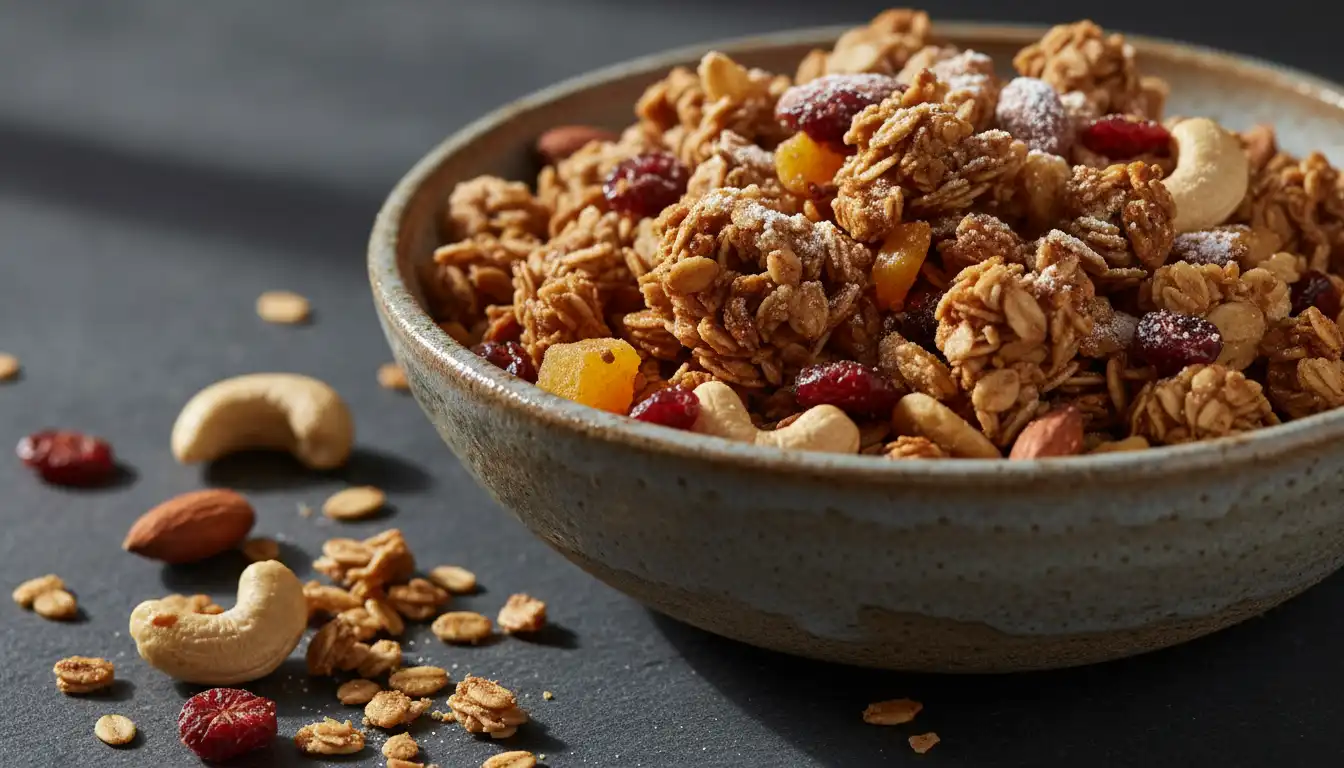
Most store-bought granolas are held together by sugar and inflammatory oils. A single serving can contain more sugar than a donut, causing a massive insulin spike that signals your body to store fat.
4. Flavored Non-Fat Yogurt

When fat is removed, manufacturers add sugar and thickeners to fix the taste. Without healthy fats to slow digestion, the added sugars hit your bloodstream instantly, crashing your energy hours later.
5. Bottled Green Juices

Many "detox" juices are stripped of fiber and bulked with apple juice. You're essentially drinking liquid sugar, which spikes blood glucose and puts your metabolism into storage mode.
6. Veggie Chips & Straws

These are often just potato starch and corn flour with vegetable powder for color. They lack the thermic effect of real whole vegetables, offering high calories with zero metabolic work required.
7. Diet Soda & Sweeteners

Zero calories doesn't mean zero impact. Artificial sweeteners can disrupt your gut microbiome and confuse your brain's hunger signals, often leading to increased insulin levels and weight gain.